Why a Written Radon Quote Protects You and Your Home
If you have tested your home for radon and found an elevated level, you are already ahead of most homeowners. The hard part is not the test itself. The hard part is deciding what to do next. Radon mitigation is not cheap, and it is not something you want to get wrong. Over the years, I have helped dozens of homeowners in York County, Pennsylvania, sort through their options. One thing I tell every single one of them: get a written radon quote before you let anyone start work on your home.
A verbal estimate over the phone might sound fine at first. But when you are dealing with radon gas, which is the second leading cause of lung cancer according to the EPA, you need more than a handshake. You need a clear, itemized document that spells out exactly what the radon mitigation company will do, what equipment they will use, and what the final price will be. A written radon quote gives you that clarity. It also gives you legal protection, because once the work is done, you have a record of what was promised.
What a Written Radon Quote Should Include
Not all quotes are created equal. Some are a single line with a price. Others are detailed proposals that show real expertise. If you are shopping around for radon remediation, here is what a solid written radon quote should contain.
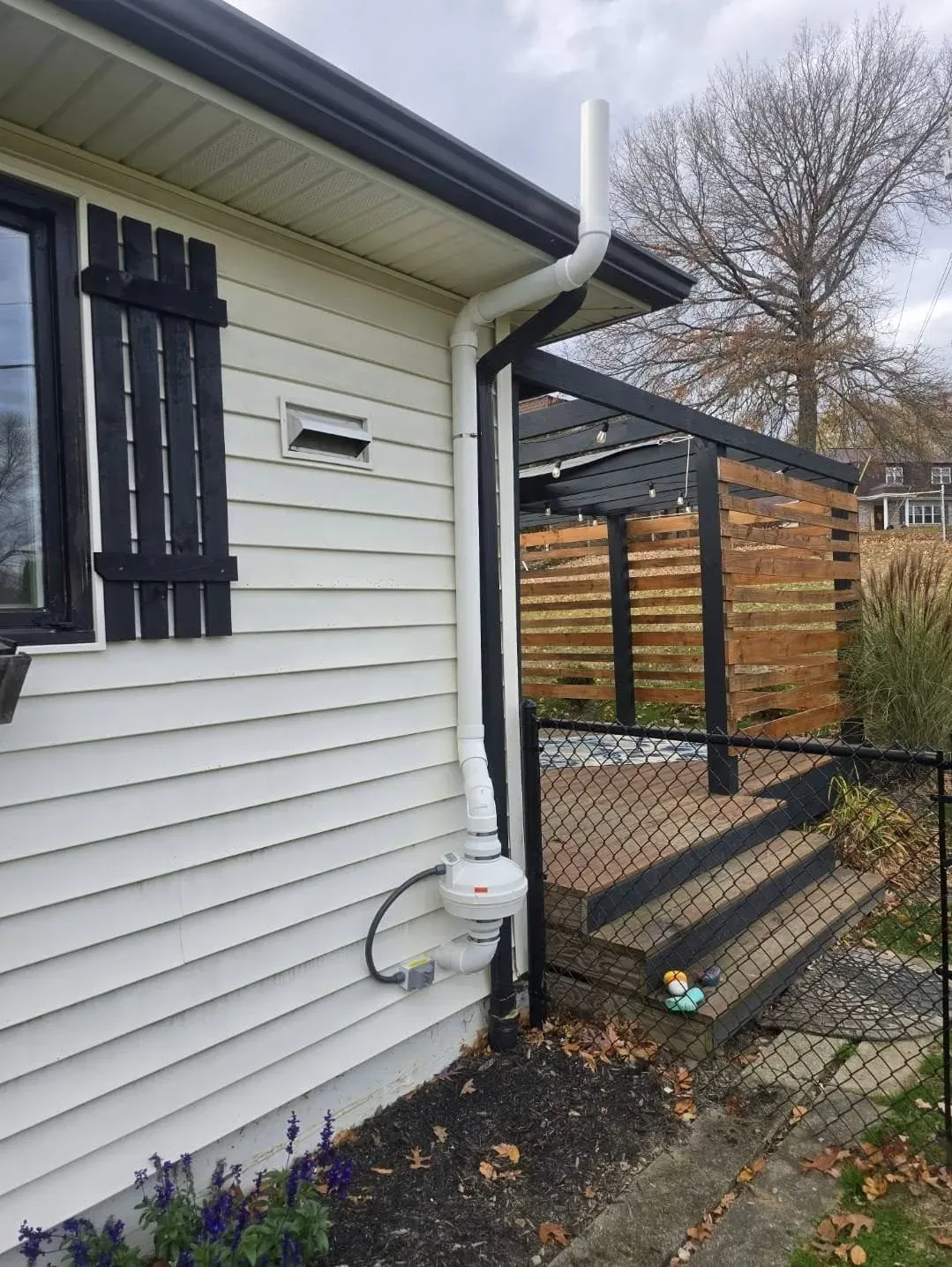
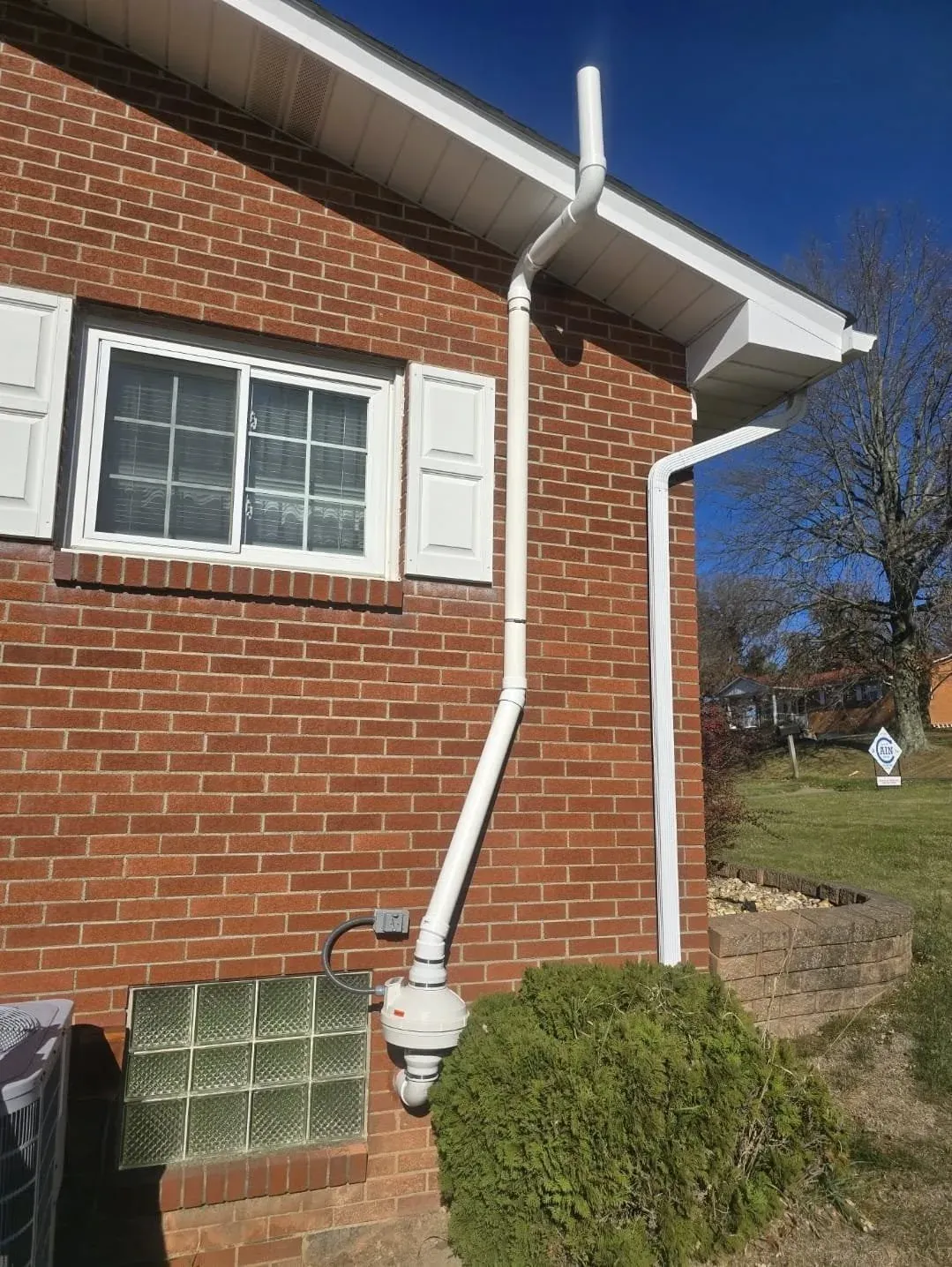
First, it should list the radon level found during your radon test. That number is the whole reason you are doing this, so the quote should reference it. Next, it should describe the proposed radon system in plain language. Will they install active soil depressurization, which is the most common method? Or are they recommending something else because of your home's foundation type? The quote should mention the radon fan model, the radon vent pipe routing, and whether a radon barrier is needed under a slab or crawlspace.
It should also state who will perform the work. Ideally, that person is a certified radon mitigator. In Pennsylvania, certification is not mandatory, but many reputable companies, including the one run by Dan Jenkins here in York County, carry it voluntarily. The quote should name the installer and confirm that they follow EPA guidelines for radon mitigation.
Finally, the quote should include a price that covers everything: materials, labor, the radon pump if one is required, and any post-mitigation testing. If the company charges extra for the follow-up radon test, that should be stated upfront. If the price is contingent on something like the length of the radon vent pipe run, that should be spelled out too. A written radon quote removes surprises. It is the difference between a smooth project and one where you end up arguing about change orders.
Why Verbal Estimates Fall Short
I have seen homeowners accept a verbal price, only to find out later that the radon mitigation company did not include the radon detector or the fan in that number. Or they assumed the crawlspace was accessible when it was not, and the price doubled. Verbal estimates are risky because memory fades, and what one person said over the phone might not match what another person remembers.
With a written quote, there is no room for confusion. You have a document you can refer back to. If the installer shows up with a smaller radon fan than what was quoted, you can point to the paper. If they try to charge extra for the sub-slab depressurization work they promised, you have proof of the original price. In my experience, the best radon mitigation companies insist on giving a written quote because it protects them too. It shows they are professional and transparent.
The Cost of Radon Mitigation in York County
Prices for radon mitigation vary based on your home's construction. A typical active soil depressurization system in this region runs between $800 and $2,500. That includes the radon fan, the vent pipe, and labor. But the range is wide because every foundation is different. A slab-on-grade home might need only one suction point, while a basement with a sump pit might need a different approach. A crawlspace adds complexity because you often need a radon barrier to seal the ground.
When you get a written radon quote, you can compare apples to apples. You can see why Company A charges $1,200 and Company B charges $1,800. Maybe Company B uses a better radon fan with a longer warranty. Maybe Company A includes a post-mitigation radon test and Company B charges extra for it. Without a written quote, you are guessing. With one, you are an informed buyer.
How to Use a Written Quote to Choose a Contractor
Once you have two or three written quotes in hand, look at the details, not just the bottom line. Check whether each quote includes a radon test after the system is installed. The EPA recommends a follow-up test to confirm the radon level has dropped below 4 pCi/L. If a company does not include that test, ask why. Some will do it for free; others charge $150 or more.
Also look at the equipment. Is the radon fan a proven model, like those from RadonAway or Fantech? Or is it a generic brand that might fail in five years? A good radon mitigation company will explain their choices. They will tell you why they use a specific radon pump or vent pipe material. They should also explain how the system will be maintained. Most radon fans last ten years or more, but they need occasional checks to ensure they are running.
Finally, ask about the warranty. A written quote should state how long the labor and parts are covered. Some companies offer a one-year warranty on the system. Others, like Dan Jenkins' operation, stand behind their work longer because they know it is done right. That peace of mind is worth something.
Red Flags to Watch For
Not every radon mitigation company is trustworthy. If a company refuses to give you a written quote, consider that a red flag. If they pressure you to make a decision on the spot, walk away. If their quote is vague, with phrases like "includes all necessary work" without listing what that work is, ask for specifics. A legitimate certified radon mitigator will be happy to write everything down. They have nothing to hide.
Another red flag is a quote that does not mention the radon level at all. If the contractor did not look at your radon test results before quoting, they are guessing. Effective radon remediation depends on the concentration of radon gas and the size of your home. A system designed for 10 pCi/L is different from one designed for 100 pCi/L. The fan size, the number of suction points, and the vent pipe diameter all change. A one-size-fits-all quote is a sign of inexperience.
My Take on Written Quotes
After years of working in radon mitigation in Pennsylvania, I can tell you that the homeowners who get a written radon quote are almost always happier with the outcome. They know what they are paying for, they know who is doing the work, and they have a document to refer to if something goes wrong. The process of getting a quote also forces the contractor to think through the job carefully. That means fewer mistakes and a better radon system in the end.
If you are in York County and you need radon mitigation, do yourself a favor. Get a written radon quote from at least two companies. Compare them. Ask questions. And do not sign anything until you are comfortable. Your health and your home are worth that effort.